Uwanja wa Mbogo (Buffalo’s Glade) – Arusha National Park, Tanzania.
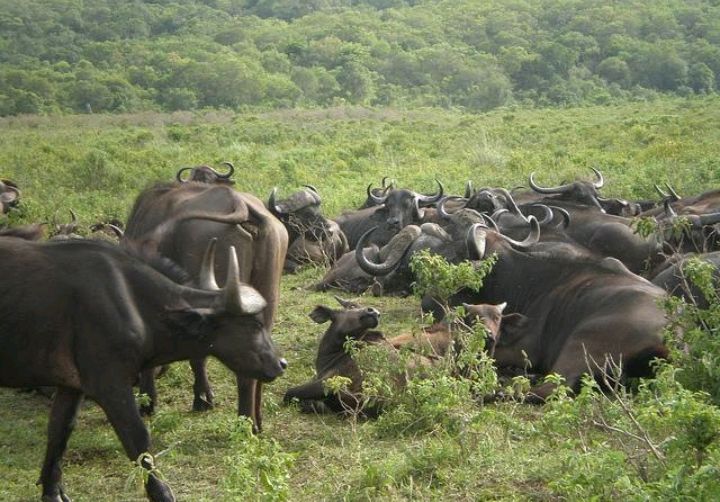
Uwanja wa Mbogo (in Swahili) — often translated as “Buffalo’s Glade” — is a natural wildlife viewing area inside Arusha National Park, in northern Tanzania.
Arusha National Park .
It’s an open glade — a clearing with marshes, bushes, streams and grassland — that attracts grazing animals.
This spot is popular with buffaloes, warthogs, giraffes and other herbivores, especially during their feeding times.
It’s a scenic place for game viewing and is often included in walking safaris or game drives through Arusha National Park.
Location in the Park
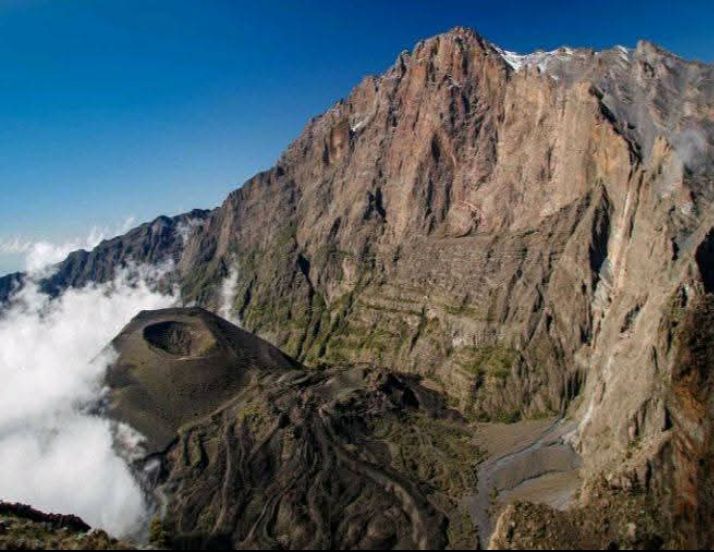
Uwanja wa Mbogo lies near the Momella Gate area — one of the main entrances in the northeast part of the park — at the base of Mount Meru.
It’s relatively close to the park entrance, making it one of the first wildlife hotspots people see when entering the park by road.
Wildlife & Visits
The glade is especially good for spotting buffalo herds, giraffes, warthogs, zebras, and other plains animals in more open terrain than the park’s forests or crater areas.